
245 Years Later: Remembering the British Surrender at Yorktown and the Birth of a Nation
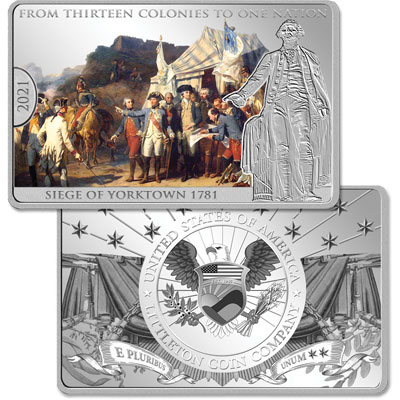
This year, the focus has been on the 250th anniversary of U.S. Independence. But this month also marks another important anniversary in the nation’s founding – the British surrender at Yorktown.
On October 19, 1781, British forces under General Charles Cornwallis surrendered to the combined American and French armies led by General George Washington and the Count de Rochambeau. This victory effectively ended major military operations of the American Revolutionary War – paving the way for American independence.
Though the Treaty of Paris wouldn’t be signed until 1783, the surrender at Yorktown convinced many British leaders that continuing with the war was no longer practical.
The Road to Yorktown
The campaign that culminated in the British surrender at Yorktown was the result of careful planning, strategic partnerships and military deception. During the summer of 1781, Washington and his French allies developed a bold strategy to trap Cornwallis’s army in Virginia. Rather than launching an expected attack on British forces in New York, the allied armies secretly marched south.
A key factor in the campaign’s success was the support of the French. Their troops strengthened Washington’s army – while the French fleet under Admiral de Grasse controlled the Chesapeake Bay. The naval blockade prevented British reinforcements from reaching Cornwallis and cut off any chance of escape by sea. Together, American and French forces created the conditions for a decisive victory.
The Siege That Changed Everything
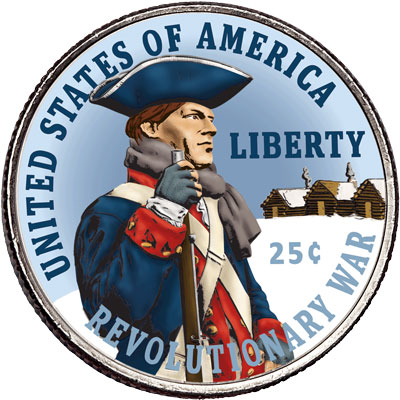
The Siege of Yorktown began in late September 1781 and lasted several weeks. Allied forces constructed trenches, positioned artillery batteries, and gradually tightened their grip on the British defenses. Constant bombardment weakened British fortifications and inflicted heavy losses on Cornwallis’s troops.
As conditions deteriorated, Cornwallis attempted to evacuate portions of his army across the York River. However, bad weather and the surrounding allied forces made escape impossible. Realizing his position was hopeless, Cornwallis requested negotiations and ultimately agreed to surrender.
On October 19, British troops marched out of Yorktown and laid down their arms. Cornwallis claimed illness and did not personally attend the ceremony. The moment has since become an enduring image from the American Revolution.
Why the British Surrender at Yorktown Matters
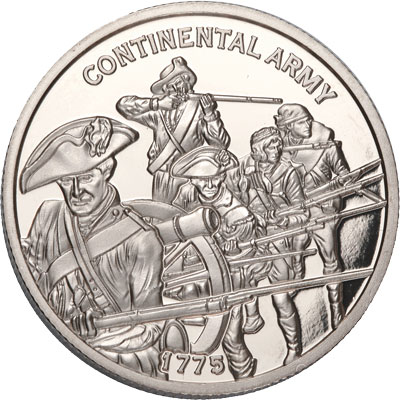
The British surrender at Yorktown represented far more than a battlefield defeat. It demonstrated the effectiveness of international alliances, particularly the crucial partnership between the United States and France. Removing their military and naval support, history may have recorded a very different outcome.
George Washington’s reputation as a military leader was also elevated by the victory. His ability to coordinate with French commanders, maintain the commitment of the Continental Army, and execute a complex campaign ensured his place among history’s most respected military figures. The triumph at Yorktown later strengthened public confidence in his leadership – eventually leading to his election as the nation’s first president.
Perhaps most importantly, the surrender signaled that the dream of an independent United States could become reality.
A Victory that Echoes Through History
As we mark the 245th anniversary of the British surrender at Yorktown, the event remains a powerful reminder of perseverance, cooperation and sacrifice. What began as a struggle for independence culminated in a victory that altered the course of history, inspiring movements for self-government and freedom far beyond America’s shores.

